
 Save
Save
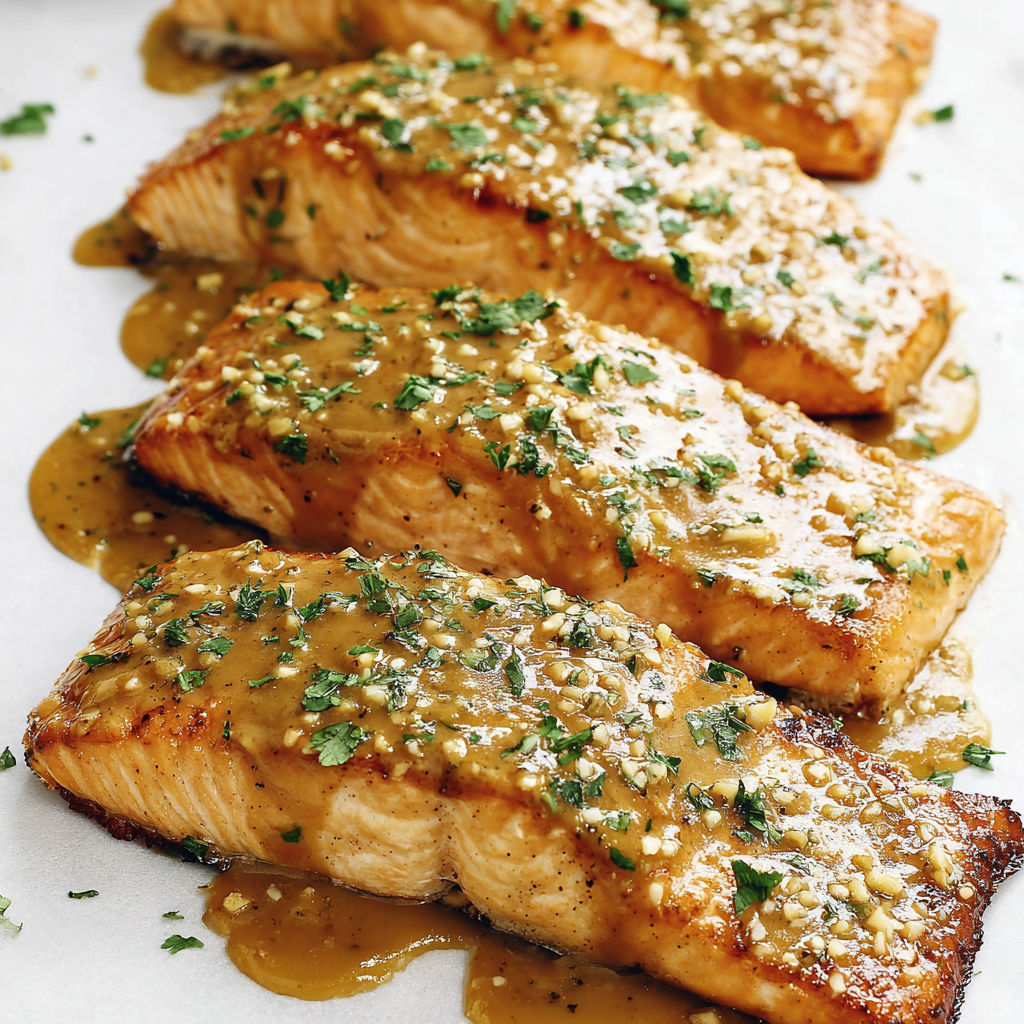
This brown sugar Dijon Arctic char offers a perfect balance of sweet and tangy flavors that transform a simple fish dinner into something special. The delicate, flaky nature of Arctic char holds up beautifully under the caramelized topping. It’s an effortless dish that feels elegant yet comes together quickly for busy weeknights or casual gatherings.
I first made this for a family dinner when I wanted something quick but impressive. Now it’s a recipe I come back to whenever I want something flavorful without fuss.
Ingredients
- Four 6-ounce pieces of Arctic char: select firm fillets with vibrant color and moist flesh
- One tablespoon Dijon mustard: adds tang and a bit of spice, choose one with a smooth texture
- Quarter cup brown sugar: provides caramelization and sweetness, packed lightly for best results
- Two teaspoons fresh lemon juice: gives brightness (fresh squeezed is essential for that zesty punch)
- Half teaspoon garlic powder: subtle depth (opt for a good quality powder for richer flavor)
- Salt and pepper to taste: enhances all the flavors (use freshly ground pepper if possible)
- Chopped fresh parsley to taste: optional but adds freshness and color (select bright, crisp sprigs)
Instructions
- Preheat oven:
- Preheat your oven to 400 degrees Fahrenheit and position the rack in the upper third. Line a baking sheet with foil and lightly spray with cooking spray for easy cleaning. Pat the Arctic char fillets dry thoroughly with paper towels and arrange them skin-side down on the prepared sheet.
- Prepare glaze:
- In a small bowl, combine the Dijon mustard, brown sugar, lemon juice, garlic powder, and a pinch of salt and pepper. Stir until you get a smooth, evenly mixed glaze.
- Apply glaze:
- Using a spoon or brush, spread the mustard mixture evenly over the top of each fish fillet, ensuring complete coverage so the sugars will caramelize nicely during baking.
- Bake:
- Place the baking sheet in the preheated oven and bake uncovered for 10 to 15 minutes. Start checking at the 10-minute mark if your fillets are around half an inch thick to avoid overcooking. The fish is done when it flakes easily with a fork and the glaze looks bubbly and caramelized.
- Garnish and serve:
- Once cooked, sprinkle the top with freshly chopped parsley and season again with salt and pepper if desired. Note that the skin typically will not crisp up with this method, so feel free to slide it off when serving.
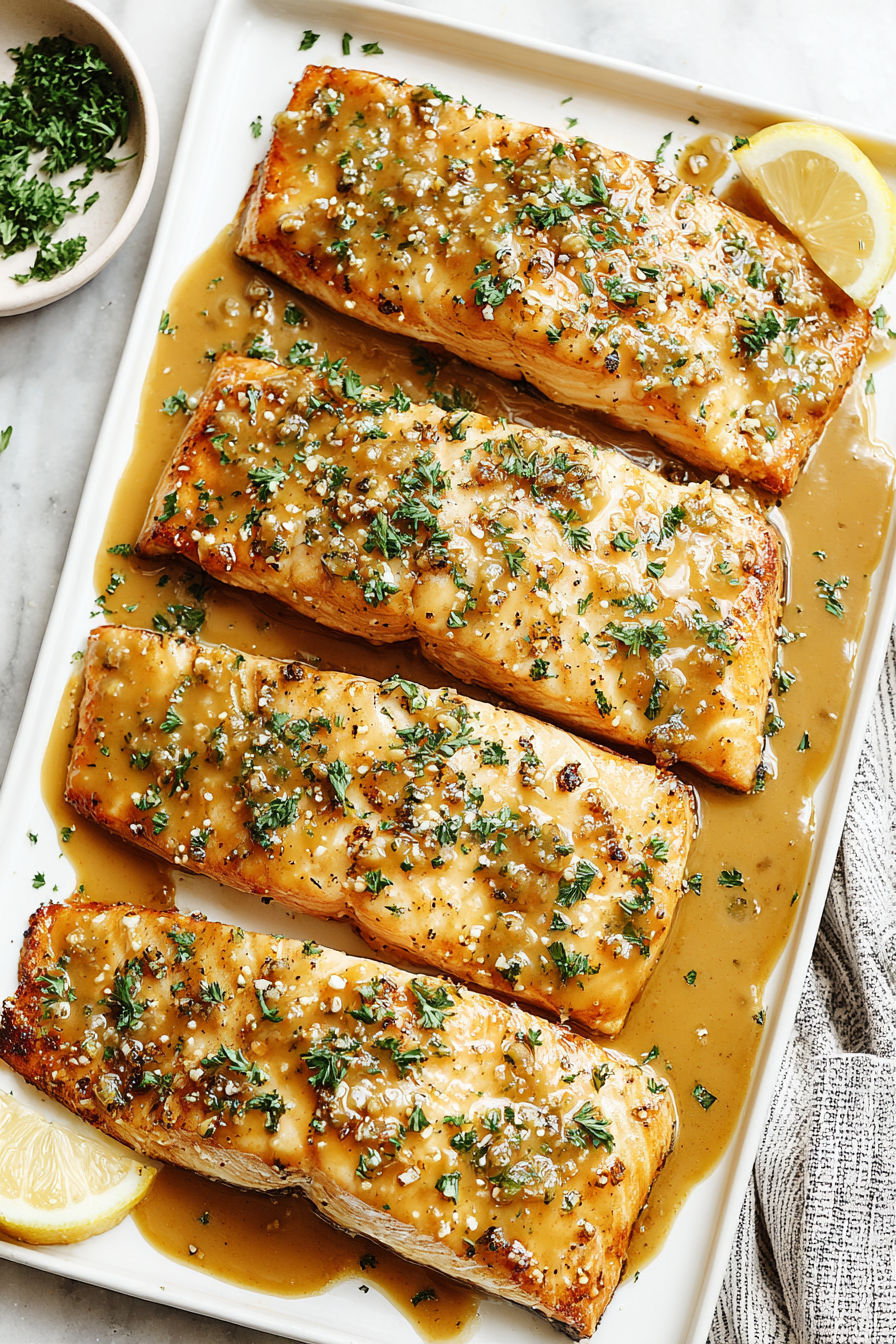
My favorite part of this dish is the interplay of the brown sugar’s caramel notes with the sharpness of the Dijon mustard. It reminds me of the first time I made it for a special occasion, feeling proud to serve something so simple yet delicious that impressed the whole table. The ease of prepping and baking makes it one of those recipes you keep returning to.
Storage Tips
If you have leftovers, store them in an airtight container in the fridge for up to two days. Reheat gently in the oven or on the stovetop to maintain moisture and avoid drying out the fish. Avoid microwaving as it often makes fish rubbery.
Ingredient Substitutions
You can swap the brown sugar for maple syrup or honey if you want a different type of sweetness that will also caramelize nicely. If you do not have fresh lemon juice, a splash of white wine vinegar can add brightness but use sparingly. Garlic powder may be replaced with freshly minced garlic for a stronger punch though it changes the texture slightly.
Serving Suggestions
Serve this Arctic char over a bed of steamed rice or alongside roasted vegetables. A fresh salad with citrus vinaigrette pairs beautifully to complement the glaze’s flavors. For a casual meal, crusty bread to soak up any drippings is a treat.
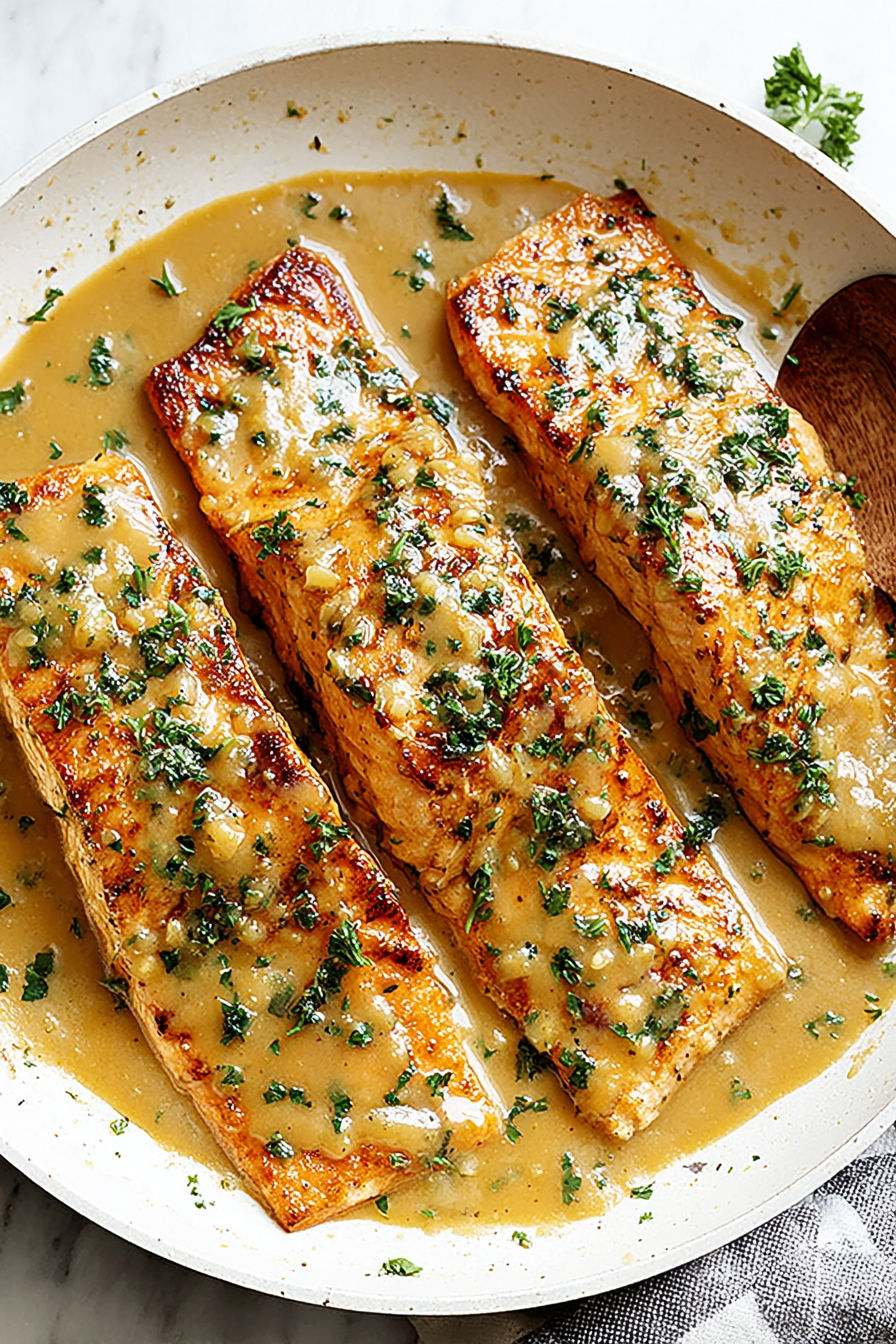
This simple yet elegant recipe blends sweet and tangy flavors with minimal fuss, perfect for any occasion.
FAQs about Recipes
- → What is the best way to cook Arctic char for this dish?
Bake the Arctic char at 400°F on a foil-lined baking sheet until it flakes easily with a fork, usually 10-15 minutes depending on thickness.
- → Can I use fresh lemon juice instead of bottled?
Freshly squeezed lemon juice works best to add bright acidity and enhance the glaze's flavor.
- → How do I prevent the fish skin from becoming rubbery?
In this preparation, the skin is kept on during baking but removed before serving, as it doesn’t crisp up.
- → Is brown sugar key to this glaze?
Yes, brown sugar adds sweetness and caramelizes slightly during baking, balancing the mustard's tang.
- → What herbs complement this dish?
Fresh parsley is recommended to add a fresh, slightly peppery flavor that brightens the fish.