
 Save
Save
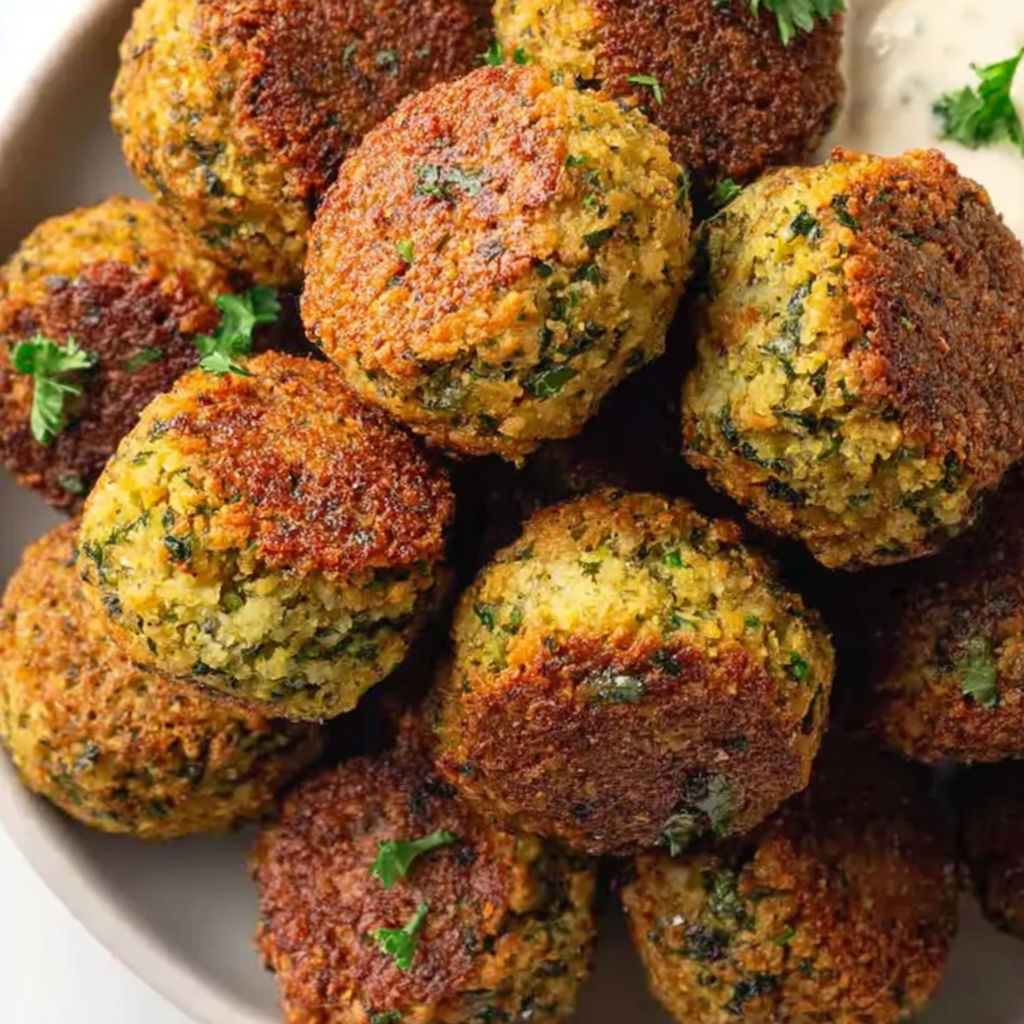
Homemade falafel brings the vibrant flavors of the Middle East straight to your kitchen with its crispy exterior and tender, herb-filled interior. Made from dried chickpeas and fresh herbs, these golden falafel balls elevate any meal whether tucked inside a warm pita, scattered over a salad, or enjoyed on their own as a snack. This recipe is about achieving the perfect balance of texture and seasoning with straightforward ingredients.
I first made this for a weekend gathering and was amazed at how quickly they disappeared Everyone kept asking for seconds and now I make them whenever friends come over
Ingredients
- One cup dried chickpeas: soaked to create the perfect base texture for falafel
- Half a large onion: for natural sweetness and moisture
- Fresh parsley: finely chopped for brightness and herbaceous flavor
- Cilantro: adds a fresh, slightly citrusy note that lifts the dish
- Salt: to enhance all the natural flavors
- Four cloves of garlic: for that sharp pungent kick that's essential to falafel
- Two teaspoons of cumin: bring earthy warmth and a smoky edge
- One teaspoon ground coriander: gives a subtle floral complexity
- Baking powder: lightens the mixture making the falafel fluffy yet crisp
- Four tablespoons of chickpea flour: to help bind the mixture and keep it gluten-free
Instructions
- Soak Chickpeas:
- Soak the dried chickpeas in plenty of water ensuring they are covered by at least two inches of liquid. Let them sit for 24 hours to soften completely so your falafel will be light and tender instead of dense.
- Prepare Falafel Mixture:
- Drain the chickpeas thoroughly and place them in a food processor with the roughly chopped onion, parsley, cilantro, salt, garlic, ground coriander, and cumin. Pulse carefully until the mixture is finely chopped but not a puree. You want to maintain some texture so your falafel is crunchy on the outside and tender inside.
- Add Dry Ingredients:
- Transfer your chopped mixture into a mixing bowl and sprinkle in the chickpea flour and baking powder. Stir with a spatula to combine thoroughly creating a batter that can be shaped but is not too dry. This step is key for falafel that holds together well during frying.
- Form Balls:
- Scoop approximately one heaping tablespoon of mixture and shape it into a ball, then gently flatten it slightly. Place the shaped falafel on a tray lined with parchment. Keep going until all the batter is used.
- Chill the Falafel:
- Pop the tray in the refrigerator for about an hour. This resting period helps the falafel firm up so they do not break apart when frying.
- Heat Oil:
- Fill a skillet with a couple inches of oil and heat it over medium heat to the ideal temperature where the oil is hot enough for crisping but not smoking.
- Fry Falafel:
- Carefully place the falafel into the hot oil making sure to leave space around each one so they cook evenly. Let them fry undisturbed for 30 to 60 seconds until the edges turn golden and they hold their shape without breaking.
- Flip and Cook:
- Turn the falafel over carefully with a slotted spoon and cook the other side for another 30 seconds until golden brown.
- Drain:
- Remove them from the oil and place on a paper towel lined tray to absorb excess oil.
- Repeat:
- Continue frying in batches until you have cooked all your falafel to golden crisp perfection.
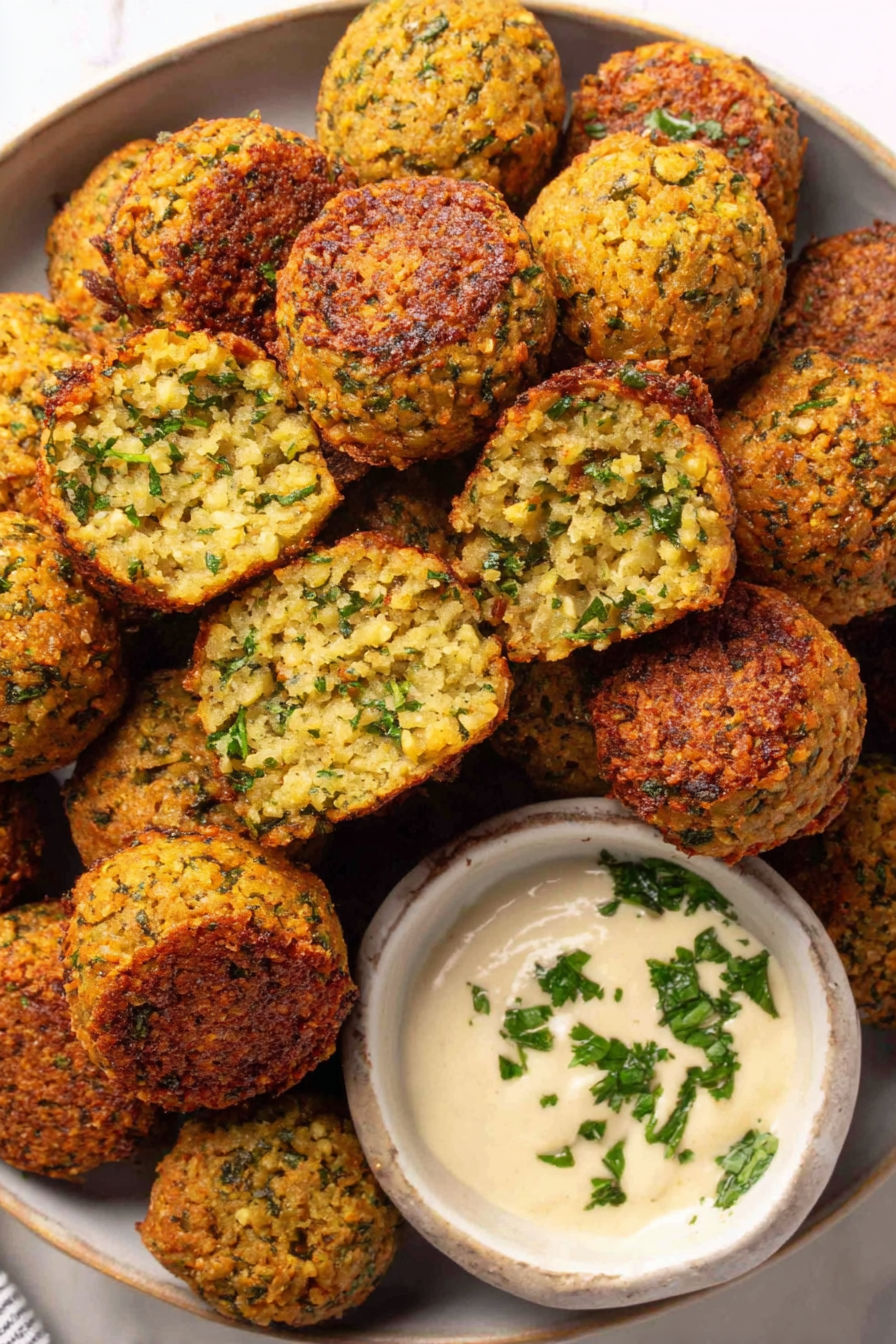
I love the fresh herbs in this recipe especially the cilantro because it wakes up the whole dish. My family gathered around the table sharing stories as we broke bread loaded with warm falafel and tahini sauce. Those moments still bring a smile.
Storage Tips
Store cooked falafel in an airtight container in the refrigerator for up to three days. To reheat, place them on a baking tray in a preheated oven at 350 degrees Fahrenheit for about 10 minutes to revive the crispiness instead of microwaving which makes them soggy. You can also freeze uncooked falafel balls and fry straight from frozen when needed just add a minute or two to the frying time.
Ingredient Substitutions
If you do not have chickpea flour, use all-purpose or a gluten-free flour blend but note it may alter texture slightly. Replace fresh cilantro with more parsley if you prefer a milder herb profile or are not a fan of cilantro's distinct taste. Garlic powder can stand in for fresh garlic in a pinch but fresh is always best for that pungent punch.
Serving Suggestions
Falafel pairs wonderfully with warm pita bread, fresh tomatoes, cucumbers, and pickled vegetables. Drizzle with tahini sauce or a simple yogurt garlic sauce for extra creaminess. Serve as part of a mezze platter alongside hummus, baba ganoush, and olives to transport your taste buds.
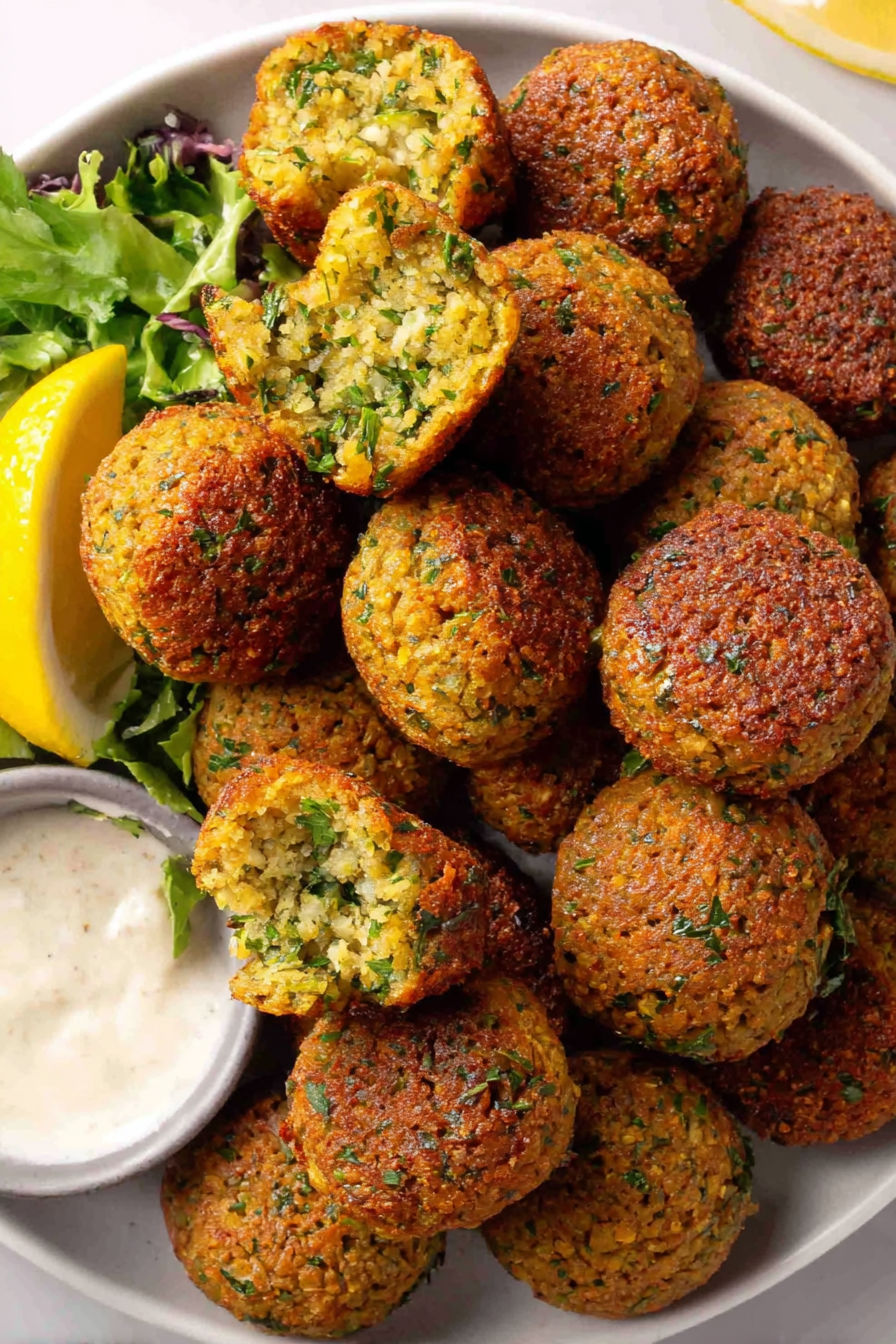
This falafel recipe is perfect for both beginners and seasoned cooks looking to enjoy a flavorful Middle Eastern classic. Enjoy the crispy outside and tender inside every time!
FAQs about Recipes
- → What type of chickpeas is best for falafel?
Dried chickpeas soaked for 24 hours are preferred for the best texture and flavor in falafel.
- → Can fresh herbs be substituted in this falafel?
Fresh parsley and cilantro provide bright flavors, but you can adjust herbs to your taste preferences.
- → Why is soaking chickpeas important?
Soaking softens the chickpeas, making them easier to blend and helping achieve the ideal falafel texture.
- → How do you prevent falafel from falling apart during frying?
Adding chickpea flour and baking powder helps bind the mixture, and chilling the formed balls before frying keeps them firm.
- → What oil is best for frying falafel?
Use a neutral oil with a high smoke point like vegetable or canola oil for frying to a golden crisp.
- → Can falafel be baked instead of fried?
While frying delivers the crispiest texture, baking can be a healthier alternative but may result in a softer exterior.