
 Save
Save
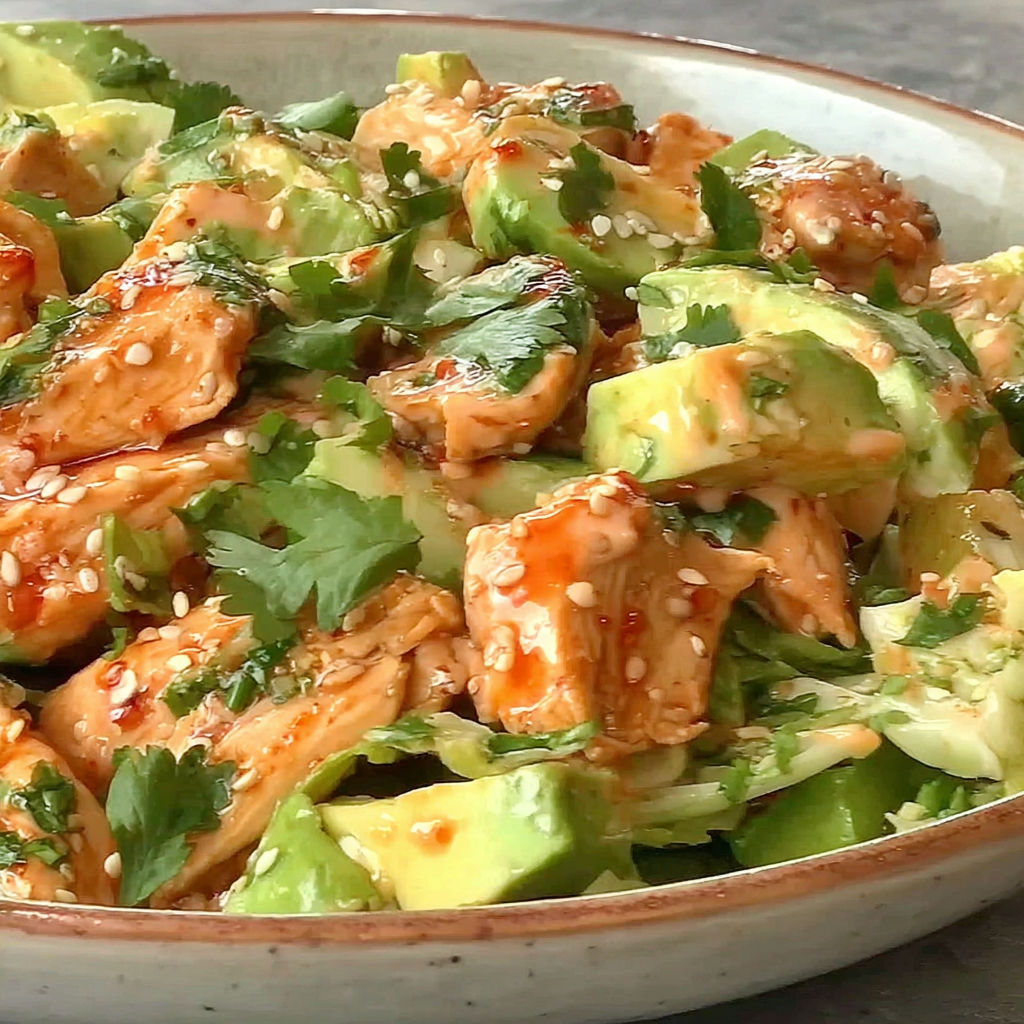
This Korean BBQ Chicken Salad brings together juicy chicken, crunchy vegetables, and a bold gochujang sauce for a meal that is both satisfying and packed with protein. It's perfect for anyone looking to enjoy vibrant flavors with a healthy twist.
I first made this salad for a casual family dinner, and it instantly became a favorite. Now it's a go-to when I want something flavorful yet light, especially during warm evenings.
Ingredients
- Chicken breast: nine hundred grams fresh and boneless for tenderness and even cooking
- Avocado oil: fifteen milliliters for a mild flavor and high smoke point
- Garlic powder: five milliliters for a subtle but aromatic base
- Onion powder: five milliliters enhances the savory profile without overpowering
- Sweet paprika: five milliliters adds mild sweetness and vibrant color
- Cayenne pepper: one point two five milliliters for a gentle kick
- Chili flakes to taste: to adjust spiciness
- Gochujang: thirty milliliters Korean chili paste that delivers a complex spicy and umami flavor opt for a good quality brand for best results
- Rice vinegar: thirty milliliters provides brightness and acidity
- Juice of one lime: fresh for natural tang and freshness
- Toasted sesame oil: five milliliters rich and nutty aroma that elevates the sauce
- Soy sauce or coconut aminos: fifteen milliliters for a salty umami note choose low sodium if preferred
- Greek yogurt: eighty milliliters adds creaminess with a slight tang while keeping the sauce light
- Mayonnaise: thirty milliliters brings richness and binds the sauce together
- Honey: five milliliters optional for balanced sweetness
- Persian cucumbers: two to three finely diced for refreshing crunch choose firm cucumbers without blemishes
- Scallions: three sliced for a mild onion flavor and color contrast
- Fresh cilantro: two to four tablespoons chopped for bright herbal notes
- Toasted sesame seeds for garnish: to add nuttiness and visual appeal
- Crushed peanuts or cashews for topping: to provide texture and complement the flavors
Instructions
- Sauté the Aromatics:
- Blend the spices including garlic powder, onion powder, sweet paprika, cayenne pepper, and chili flakes thoroughly to prepare the seasoning mix for the chicken
- Prepare and Season Chicken:
- Preheat your oven to two hundred degrees Celsius. In a large bowl combine chicken with avocado oil and the spice mixture. Massage the seasonings well into the chicken to ensure every piece is coated evenly.
- Bake the Chicken:
- Arrange the seasoned chicken on a baking tray in a single layer and bake for thirty-six to forty minutes or until fully cooked and juices run clear. If pressed for time you can swap with rotisserie or leftover chicken.
- Make the Sauce:
- In a food processor or mixing bowl blend gochujang, rice vinegar, lime juice, toasted sesame oil, soy sauce or coconut aminos, Greek yogurt, mayonnaise, and honey until the mixture is smooth and creamy. Taste and adjust seasoning as needed.
- Prepare the Salad Mix-Ins:
- While the chicken bakes finely dice the Persian cucumbers, slice scallions thinly, and chop the fresh cilantro. This will add freshness and texture to the salad.
- Shred the Chicken:
- Once the chicken is cooked and slightly cooled shred or chop into bite-sized pieces for better integration with the dressing.
- Combine Ingredients:
- Gently fold the shredded chicken into the sauce until thoroughly coated. Add the diced cucumbers, scallions, and cilantro. Mix everything well to ensure every bite has balanced flavors.
- Add Crunch and Serve:
- Sprinkle toasted sesame seeds and crushed peanuts or cashews on top for added texture and nutty flavor. Serve the salad on its own, wrapped in lettuce leaves, or alongside low-carb crackers.
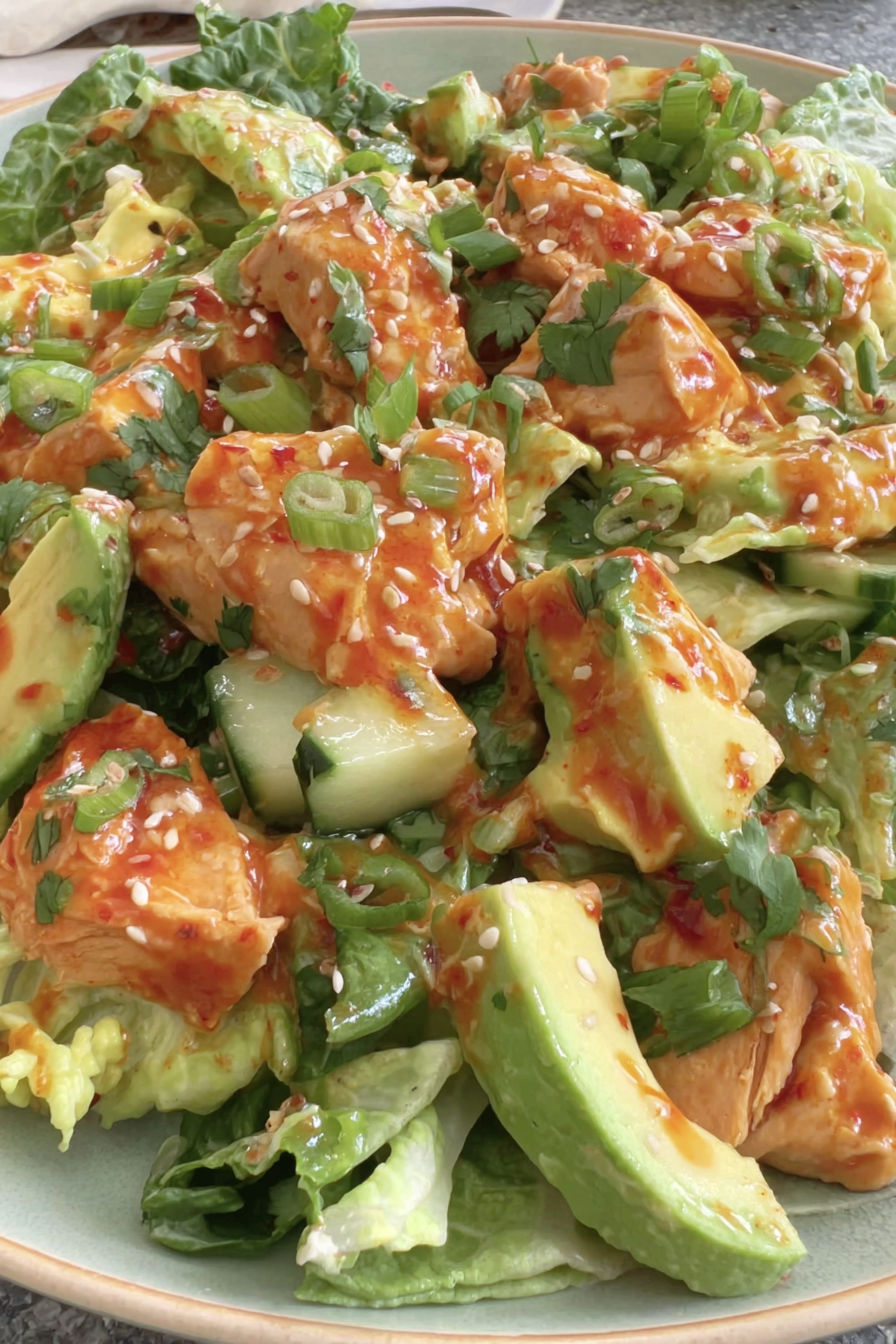
This salad reminds me of a family picnic where everyone was intrigued by the bold yet accessible flavors.
Storage Tips
Refrigerate leftovers in an airtight container for up to three days. The salad is best eaten within this time to enjoy fresh vegetables. Keep the sesame seeds and nuts separate and add just before serving to maintain crunchiness.
Ingredient Substitutions
Chicken thighs can be used instead of breast for juicier results but may require longer cooking time. Use plain yogurt if Greek is unavailable though it will be less creamy. Maple syrup or agave nectar are great alternatives to honey for sweetness. Tamari can replace soy sauce for gluten-free needs.
Serving Suggestions
Serve on a bed of mixed greens or baby spinach to bulk up the salad. Wrap in large lettuce leaves for a hand-held, low-carb option. Pair with steamed rice or quinoa for a heartier meal.
Cultural Context
Gochujang has a long history in Korean cooking, traditionally made with fermented chili, glutinous rice, and soybeans. It brings a distinct umami-rich heat to dishes. This salad is a modern fusion that maintains those authentic spicy flavors with a creamy twist.
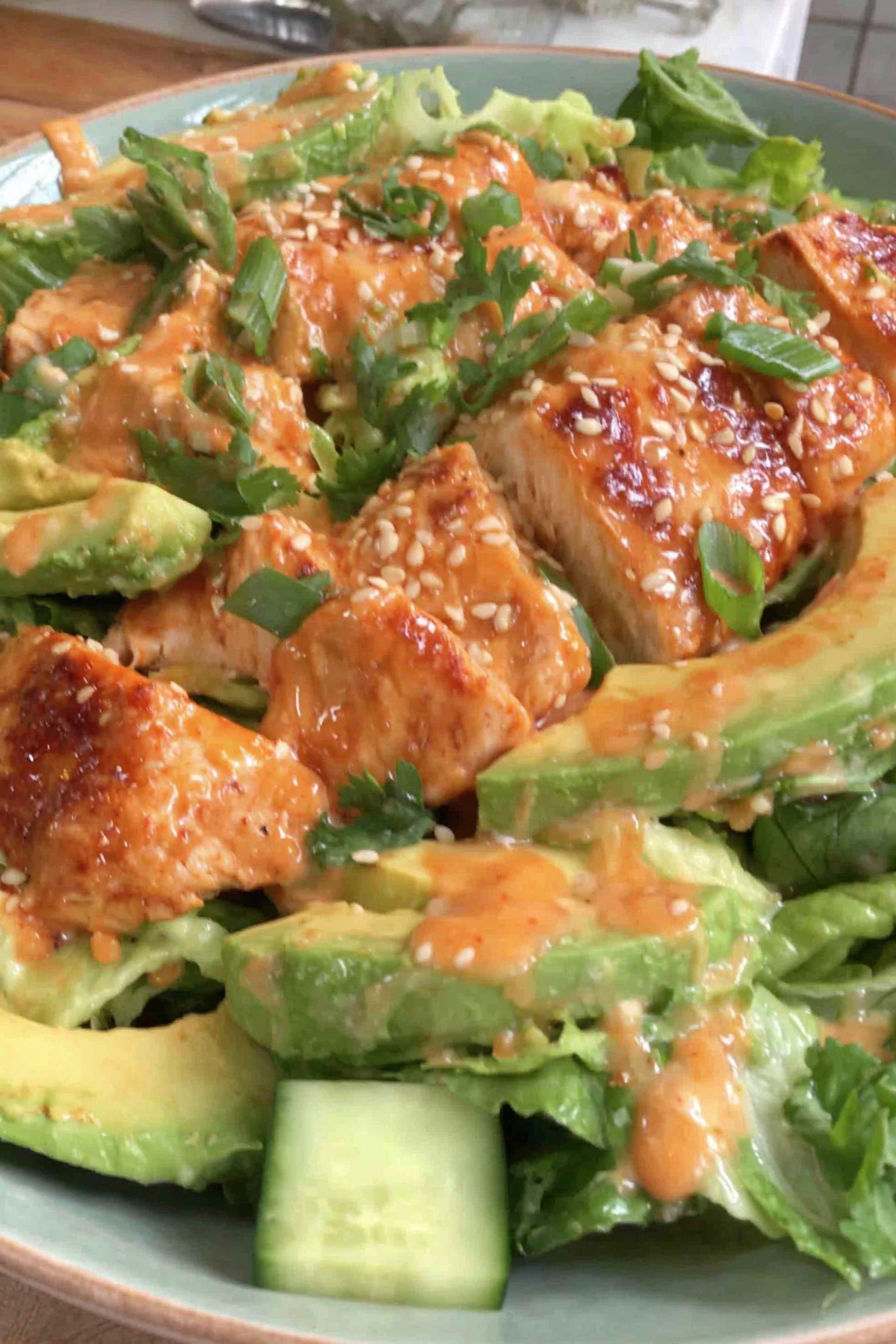
This salad expertly balances bold spice and creamy elements for a versatile dish you will want to make again and again.
FAQs about Recipes
- → What type of chicken is best for this dish?
Boneless, skinless chicken breasts are ideal for even cooking and easy shredding.
- → Can I prepare the chicken ahead of time?
Yes, cooked chicken can be made in advance and kept refrigerated for several days for convenience.
- → How is the gochujang sauce balanced in flavor?
The sauce combines spicy gochujang with tangy rice vinegar, creamy Greek yogurt, and a hint of honey for sweetness.
- → What vegetables add freshness to the mix?
Persian cucumbers, scallions, and fresh cilantro provide crispness and bright herbal notes.
- → Are there suggested toppings for extra texture?
Toasted sesame seeds and crushed peanuts or cashews add crunchy, nutty contrast.
- → Can this dish be served in different ways?
It’s versatile enough for lettuce wraps, low-carb crackers, or as a standalone dish.